
Septic shock is the most severe form of sepsis, arising from an uncontrolled immune response to infection that causes profound circulatory, cellular, and metabolic disturbances. It is marked by persistent low blood pressure requiring vasopressors and elevated lactate levels despite fluid therapy. The condition carries a high risk of death and requires rapid intervention in intensive care settings. Beyond its immediate clinical challenges, septic shock has become a significant focus for healthcare systems and investors, often examined within the context of the Septic Shock Market as stakeholders seek improved diagnostics, therapies, and management strategies.
Understanding the Mechanisms of Septic Shock
Septic shock results from a complex interaction between pathogens and the body’s immune defenses. When bacteria, fungi, or viruses invade, the immune system releases inflammatory mediators to control the infection. In septic shock, this response becomes excessive and harmful, leading to widespread vasodilation, increased vascular permeability, and impaired oxygen delivery to tissues. Cellular dysfunction, including mitochondrial impairment, further compromises tissue perfusion. Current Septic Shock Market Research aims to decode these molecular mechanisms to identify therapeutic targets that can regulate immune response without weakening the body’s defense against infection.
Global Incidence and Healthcare Burden
Septic shock affects millions worldwide each year and is a leading cause of death in critical care units. Its prevalence increases with age, chronic illnesses like diabetes, kidney disease, or compromised immunity. Healthcare systems in low- and middle-income countries face higher mortality rates due to delayed diagnosis and limited access to advanced treatment. Even in developed countries, outcomes remain challenging. Detailed Septic Shock Market Insight highlights how aging populations and rising antimicrobial resistance are expected to maintain or increase the burden of septic shock globally.
Diagnosis and Early Intervention
Early detection is vital to improving survival rates in septic shock. Clinicians rely on a combination of physical assessment, vital signs, laboratory tests, and microbiological analysis. Key indicators include persistent hypotension, altered mental state, reduced urine output, and high lactate levels. Clinical scoring systems and standardized care bundles have been developed to enhance early recognition. Advances in biomarker testing and point-of-care diagnostics are accelerating detection, reflecting broader Septic Shock Market Trends that focus on precision medicine, rapid intervention, and digital integration in critical care settings.
Treatment Approaches and Clinical Management
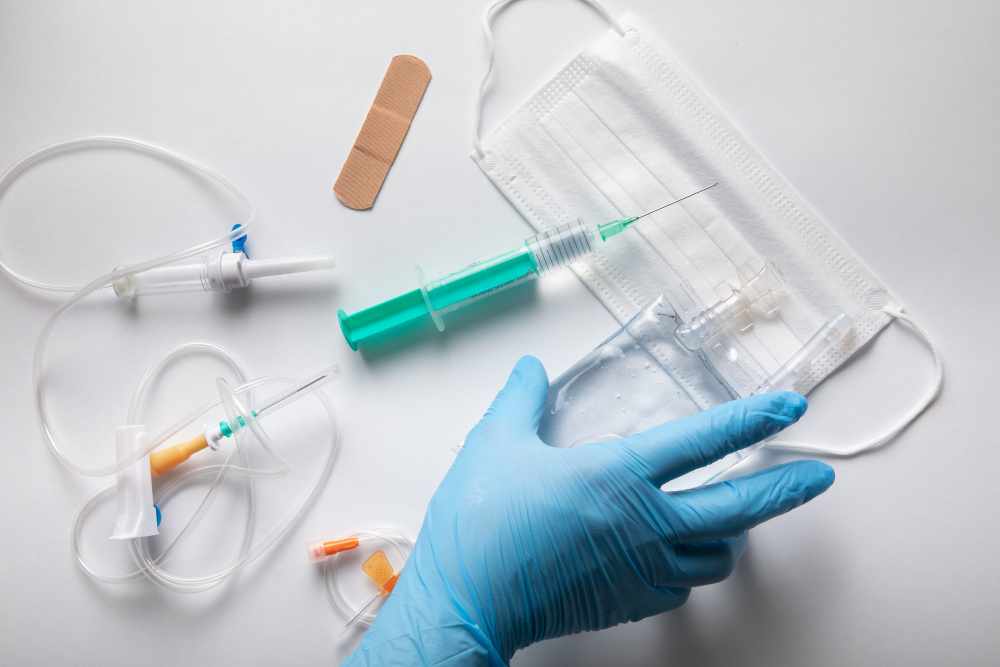
Managing septic shock requires rapid, coordinated care. Immediate interventions include intravenous fluid resuscitation, administration of broad-spectrum antibiotics, and vasopressors to maintain adequate blood pressure and tissue perfusion. Controlling the source of infection, such as draining abscesses or removing infected devices, is also essential. Additional therapies may include mechanical ventilation, corticosteroids in select patients, and renal replacement therapy for acute kidney injury. Patient responses can vary, underscoring the importance of personalized care. The extensive allocation of resources and critical care technologies is captured in evaluations of Septic Shock Market Size, which reflect both the medical and economic impact of managing this life-threatening condition.
Future Directions and Research Focus
Survival rates for septic shock have improved over time due to earlier recognition and enhanced supportive care. However, many survivors experience long-term physical, cognitive, and psychological effects known as post-sepsis syndrome. Research is increasingly directed toward preventive measures, immune-targeted therapies, and patient-specific treatment strategies. Emerging solutions include novel pharmaceuticals, vaccines, and AI-based decision-support systems. Projections outlined in the Septic Shock Market Forecast indicate continued investment in innovation to reduce mortality, improve quality of life for survivors, and meet rising critical care demands.
Conclusion
Septic shock continues to pose a major challenge to modern medicine, combining rapid clinical deterioration with long-term health complications. Advancements rely on early detection, evidence-based treatment, and translational research bridging laboratory findings to bedside care. With ongoing scientific progress and technological innovation, there is growing optimism that outcomes for patients with septic shock will steadily improve, transforming a condition once frequently fatal into one that is increasingly survivable.
Latest Reports by DelveInsight:
thrombocytopenia market | thymic carcinoma market | transmucosal drug delivery devices market | triple x syndrome market | vasomotor symptoms market | ventricular assist devices market | west syndrome market | wilson's disease market | acquired immunodeficiency syndrome market | acute pharyngitis market | acute renal failure market | adenoid cystic carcinoma market | adenosine deaminase-severe combined immunodeficiency market | adrenal cortex neoplasms market | alopecia market | anemia in chronic kidney disease market | antibody drug conjugate market | arthrogryposis market | artificial lung devices market | ascites market | asthma diagnostic device market | ataxia telangiectasia market | athelete's foot market | atherosclerotic cardiovascular disease market | b-cell non-hodgkin lymphoma market | bag3-related gene therapies market | balloon valvuloplasty device market | benign prostatic hyperplasia market | blood and fluid warming market | bone densitometers market | bronchial neoplasm market | calciphylaxis market | cancer anorexia market | cardiac implantable electronic devices market | cardiac insufficiency market | cardiac rhythm management devices market | cart-related neurotoxicity market | cartilage diseases market | chemotherapy induced neutropenia market | chemotherapy-induced hearing loss market
About DelveInsight
DelveInsight is a leading Business Consultant, and Market Research firm focused exclusively on life sciences. It supports Pharma companies by providing comprehensive end-to-end solutions to improve their performance. It also offers Healthcare Consulting Services, which benefits in market analysis to accelerate the business growth and overcome challenges with a practical approach.
Media Contact
Company Name: DelveInsight Business Research LLP
Contact Person: Abhishek kumar
Email: abhishek@delveinsight.com
City: Albany
State: New York
Country: United States
Website:https://www.delveinsight.com














Write a comment ...