Unique Challenges in Pediatric Neurology
Pediatric neurology is distinct from adult neurology because the child’s nervous system is continuously developing. Symptoms can progress rapidly, making early detection essential for effective intervention. Devices in this field must be highly sensitive, safe for repeated use, and adaptable to various age groups. Factors like smaller body size, variable cooperation, and heightened sensitivity to invasive procedures influence device design and use. As a result, pediatric neurologists depend on specialized technologies capable of capturing accurate neurological data without interfering with normal growth.
How Pediatric Neurology Devices Function
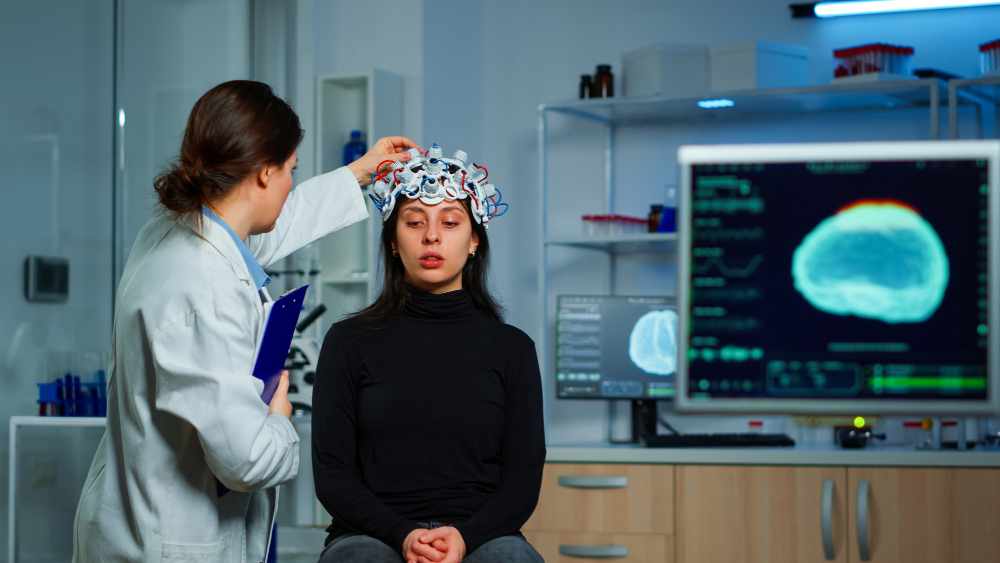
Central to these innovations is the Pediatric Neurology Devices Mechanism, which integrates engineering and scientific principles to interact with the nervous system. Diagnostic tools such as EEG systems record electrical activity in the brain, helping identify abnormal patterns linked to seizures or developmental disorders. Pediatric imaging devices offer detailed views of brain structures while minimizing radiation exposure and scan times. Therapeutic devices, including neurostimulation systems, modulate neural signals to alleviate symptoms or improve functionality. Together, these mechanisms translate complex neurological processes into actionable clinical insights.
Diagnostic Use in Pediatric Care
Accurate diagnosis is critical for effective pediatric neurology treatment. Devices are designed to detect subtle neurological changes that may be missed during routine clinical examinations. Continuous monitoring tools track seizure frequency and intensity, allowing treatment plans to be tailored for each patient. Advanced imaging technologies enable early identification of structural abnormalities, guiding surgical or long-term therapy decisions. Pediatric-specific calibration ensures that results are interpreted according to developmental norms, which differ from adult standards.
Therapeutic and Assistive Device Innovations
Beyond diagnosis, pediatric neurology devices play an essential role in therapy and rehabilitation. Devices delivering targeted stimulation help manage drug-resistant epilepsy or movement disorders when medication alone is insufficient. Assistive technologies, including communication aids and mobility support devices, help children with neurological impairments participate more fully in daily life. Many of these solutions are developed by Pediatric Neurology Devices Companies in collaboration with clinicians, researchers, and families, ensuring that they meet real-world needs while adhering to safety regulations.
Clinical Integration and Workflow
The effectiveness of pediatric neurology devices depends on seamless integration into clinical practice. Hospitals and specialty clinics train professionals to interpret device data accurately and maintain equipment safely. Interdisciplinary teams—including neurologists, nurses, therapists, and biomedical engineers—work together to maximize the benefits of these tools. As electronic health records and telemedicine platforms become widespread, device-generated data can be shared securely across care teams, supporting continuous monitoring for children with chronic neurological conditions.
Regulatory and Ethical Aspects
Given that these devices are used on children, strict regulatory and ethical standards are crucial. Pediatric devices must demonstrate safety and efficacy through rigorous testing, rather than relying on adult data extrapolation. Consent processes typically involve parents or guardians, adding an extra layer of responsibility for healthcare providers. Classification as Pediatric Neurology Devices Medical Devices ensures adherence to stringent standards for manufacturing quality, clinical validation, and post-market surveillance, minimizing risk while maximizing clinical benefit.
Future Trends and Technological Advancements
The future of pediatric neurology devices is closely linked to artificial intelligence, machine learning, and personalized medicine. Advanced algorithms are being developed to analyze neurological data, potentially predicting disease progression or treatment responses. Wearable and minimally invasive devices promise more comfortable long-term monitoring for children and their families. As research uncovers the intricacies of brain development, device design will increasingly focus on adaptability, precision, and child-centric care.
Conclusion
Pediatric neurology devices have become essential in the diagnosis, treatment, and long-term monitoring of childhood neurological disorders. By enabling early detection, targeted therapy, and continuous care, these technologies enhance outcomes and quality of life for young patients. As innovation continues and collaboration between clinicians, researchers, and industry strengthens, these devices will play an even more pivotal role in pediatric neurology care.
Latest Reports by DelveInsight:
allergic asthma due to dermatophagoides farinae market | hpv-induced cutaneous tumors market | nerve sheath neoplasms market | ox40 ligand inhibitors market | drug eruptions market | laron syndrome market | nocturnal enuresis market | erdheim-chester disease market | oncocytoma market | rabies virus market | retinal edema market | ventral hernia market | tumor ablation market | fak inhibitor market | total knee arthroplasty market | liquid biospy for cancer diagnostics market | physiotherapy equipment market | radiation induced esophagitis market | cart pipeline | dermal erythema market | healthcare subscription models | west nile encephalitis market | acute intermittent porphyria market | multiple organ dysfunction syndrome market | ductal carcinoma in situ market | phototherapies for psoriasis market | charcot marie tooth disease market | thyroid cancer market | nerve repair and regeneration devices- market insights | autism spectrum disorder market | chemotherapy induced nausea and vomiting market | cone rod dystrophy market | pleural effusion market | radioligand therapies market | relapsed or refractory mycosis fungoides market | schistosomiasis market | anaplastic astrocytoma market | arteriovenous fistula market | arthroscopy devices market | cardiac monitoring devices market
About DelveInsight
DelveInsight is a leading Business Consultant, and Market Research firm focused exclusively on life sciences. It supports Pharma companies by providing comprehensive end-to-end solutions to improve their performance. It also offers Healthcare Consulting Services, which benefits in market analysis to accelerate the business growth and overcome challenges with a practical approach.
Media Contact
Company Name: DelveInsight Business Research LLP
Contact Person: Abhishek kumar
Email: abhishek@delveinsight.com
City: Albany
State: New York
Country: United States
Website:https://www.delveinsight.com













Write a comment ...