
Recurrent glioblastoma is an exceptionally aggressive brain cancer, known for rapid tumor regrowth even after initial interventions such as surgery, radiation, and chemotherapy. Its high resistance to conventional therapies has made it a major focus for researchers and pharmaceutical companies. The Recurrent Glioblastoma Market is attracting significant attention from investors and biotech firms, driven by the urgent need for innovative treatment options and the potential to improve patient survival rates. Gaining insights into current therapeutic approaches and market potential is crucial for stakeholders seeking to address this unmet medical need.
Overview of Recurrent Glioblastoma
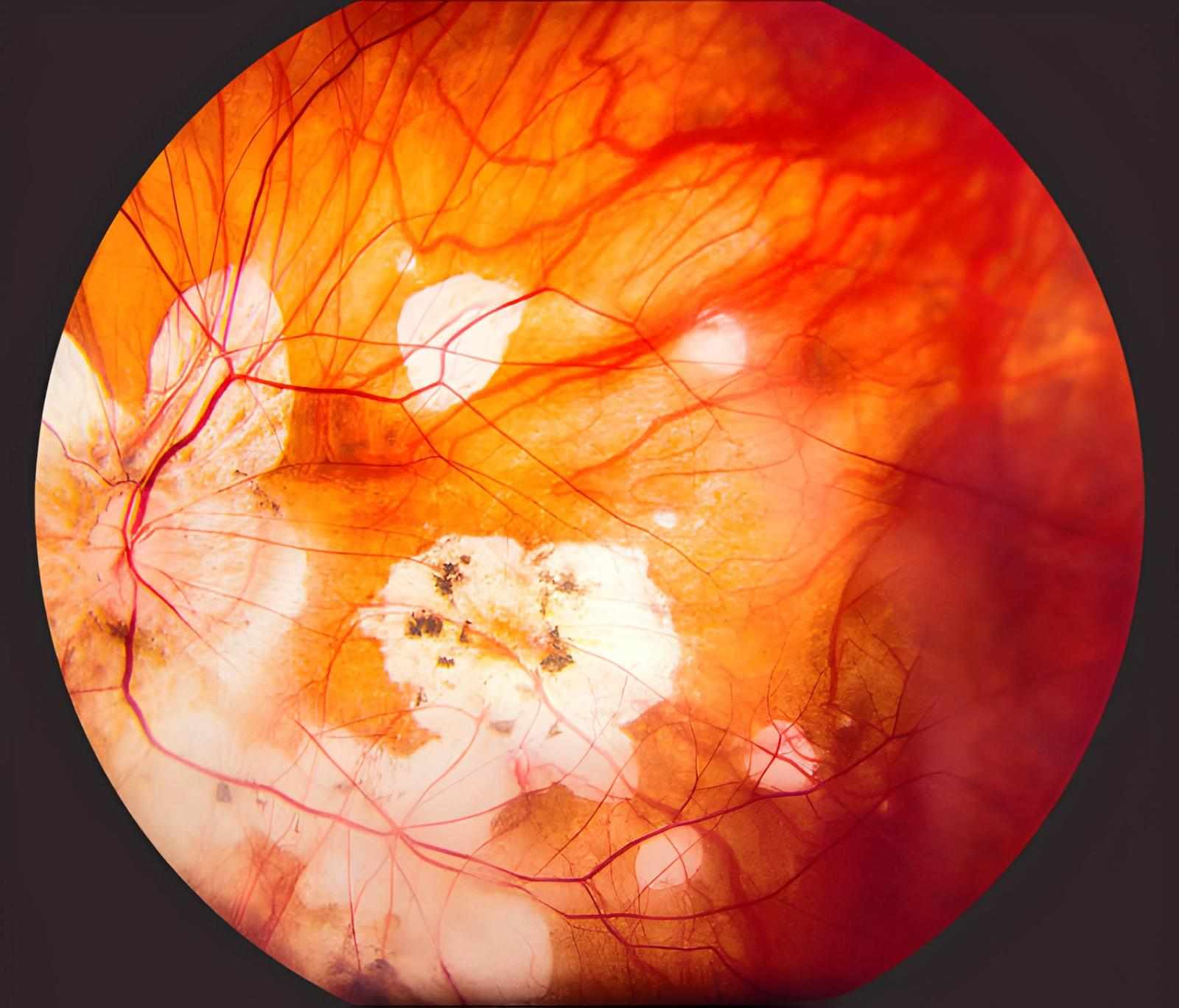
Glioblastoma multiforme (GBM) is the most common and malignant primary brain tumor in adults. Despite aggressive initial treatments, tumor recurrence is frequent, often occurring within months. Recurrent glioblastoma presents unique challenges because tumor cells usually resist previously applied therapies, leaving limited treatment options. Physicians may consider re-surgery, chemotherapy, targeted therapies, or enrollment in experimental clinical trials. The rapid disease progression and limited survival rates underscore the significance of Recurrent Glioblastoma Market Research for understanding patient outcomes and therapeutic opportunities.
Current Treatment Approaches
Treatment of recurrent glioblastoma often involves multiple modalities. Surgery is an option if the tumor is operable and the patient can tolerate the procedure, though repeated surgeries carry increased risks due to scarring and anatomical changes. Re-irradiation is possible but limited by cumulative toxicity. Chemotherapy regimens such as temozolomide rechallenge or bevacizumab-based therapies remain common. Recently, immunotherapy, gene therapy, and precision medicine approaches have been explored to provide more personalized treatment strategies. These innovations are shaping the Recurrent Glioblastoma Market Insight by guiding research priorities and clinical development programs.
Emerging Therapeutic Strategies
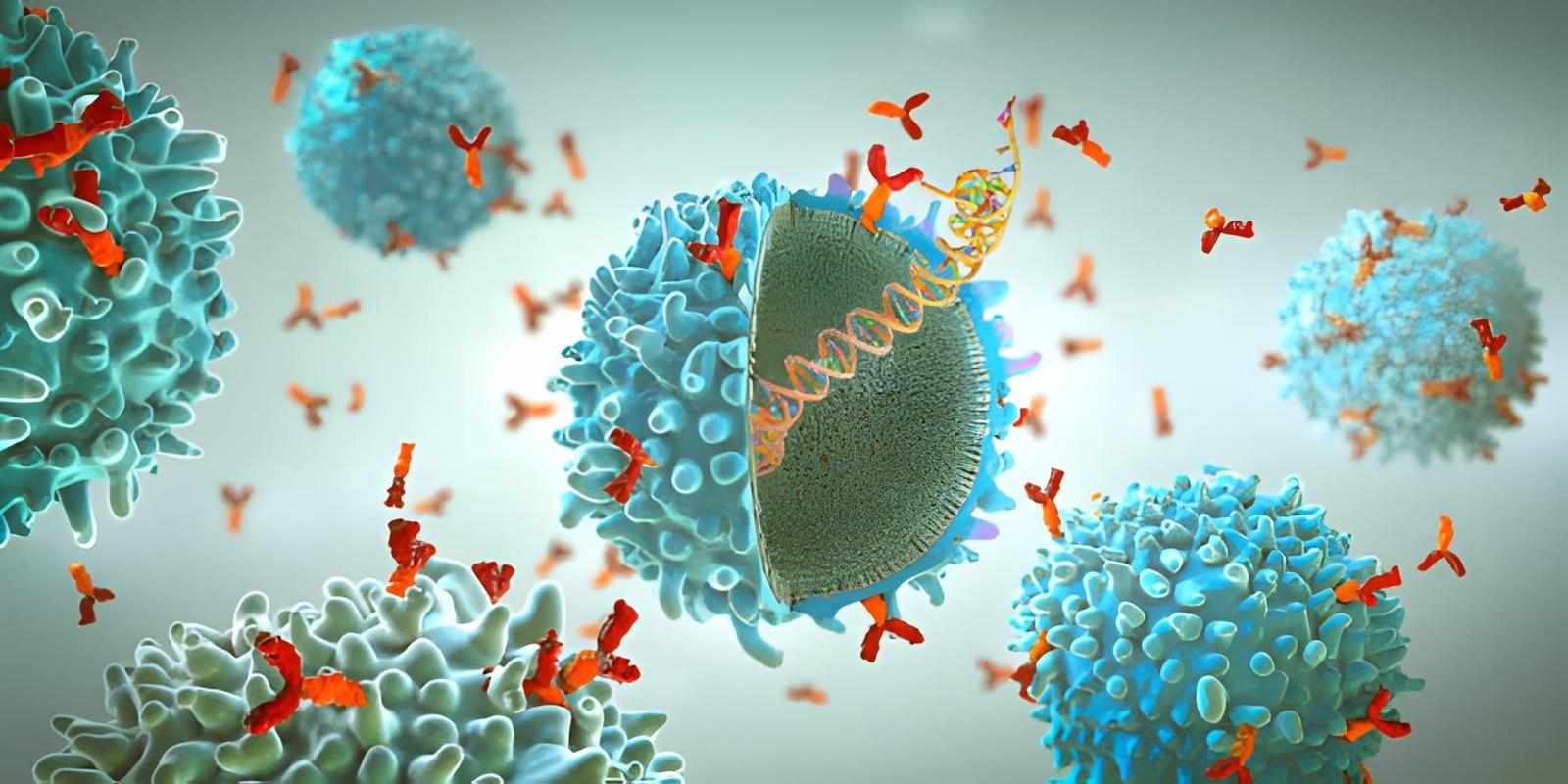
Recent developments aim to overcome therapy resistance and enhance drug delivery to the brain. Targeted therapies, including small molecule inhibitors and monoclonal antibodies, disrupt critical pathways driving tumor growth. Tumor-treating fields (TTF) and oncolytic viruses have demonstrated potential in prolonging progression-free survival for certain patient groups. Combination therapies that integrate immunotherapy with conventional treatments are actively being investigated. These advances provide a detailed view of Recurrent Glioblastoma Market Trends, highlighting areas of high potential for investment and development.
Epidemiology and Unmet Needs
Globally, glioblastoma accounts for roughly 14% of primary brain tumors, with median survival between 12 and 15 months after diagnosis. Recurrent cases represent a significant portion and often progress aggressively. Prognosis depends on factors like age, tumor location, molecular characteristics, and overall health. Despite treatment advances, long-term control of the disease remains limited. These epidemiological insights are vital for estimating the Recurrent Glioblastoma Market Size and identifying opportunities in regions with expanding oncology infrastructure.
Drivers of Market Growth
Several factors are fueling growth in the recurrent glioblastoma market. Rising incidence in older populations increases the demand for effective treatments. Precision medicine and companion diagnostics allow for tailored therapies, enhancing patient outcomes. Regulatory support and accelerated approval pathways for breakthrough treatments also help speed market entry. Collectively, these trends are shaping the Recurrent Glioblastoma Market Forecast and offering opportunities for companies to expand their presence in this high-need therapeutic area.
Challenges in Treatment and Market Expansion
Despite progress, several challenges hinder effective treatment and market growth. Tumor heterogeneity and the blood-brain barrier reduce drug efficacy. High costs and limited reimbursement restrict patient access in certain regions. Recruiting patients for clinical trials is difficult due to the disease’s aggressive nature and declining patient health. Overcoming these obstacles requires continued research, which will influence strategies for market expansion and clinical development in recurrent glioblastoma.
Regional Market Insights
North America dominates the recurrent glioblastoma market due to advanced healthcare infrastructure, high disease awareness, and robust R&D investment. Europe and Asia-Pacific are emerging markets because of increasing healthcare spending, expanding oncology centers, and adoption of innovative therapies. Regional differences in regulations, reimbursement, and clinical practices affect market growth and patient access. These analyses provide actionable Recurrent Glioblastoma Market Insight for stakeholders making strategic decisions.
Future Perspective
The treatment landscape for recurrent glioblastoma is expected to evolve with targeted therapies, immuno-oncology, and precision medicine. Molecular profiling and biomarker-driven approaches will help identify patients likely to benefit from specific interventions, improving response rates. Investment in combination therapies and advanced delivery technologies will expand options, while collaborative research accelerates clinical translation. These developments indicate a promising trajectory for both treatment innovation and market opportunities.
Latest Reports by DelveInsight:
thrombocytopenia market | thymic carcinoma market | transmucosal drug delivery devices market | triple x syndrome market | vasomotor symptoms market | ventricular assist devices market | west syndrome market | wilson's disease market | acquired immunodeficiency syndrome market | acute pharyngitis market | acute renal failure market | adenoid cystic carcinoma market | adenosine deaminase-severe combined immunodeficiency market | adrenal cortex neoplasms market | alopecia market | anemia in chronic kidney disease market | antibody drug conjugate market | arthrogryposis market | artificial lung devices market | ascites market | asthma diagnostic device market | ataxia telangiectasia market | athelete's foot market | atherosclerotic cardiovascular disease market | b-cell non-hodgkin lymphoma market | bag3-related gene therapies market | balloon valvuloplasty device market | benign prostatic hyperplasia market | blood and fluid warming market | bone densitometers market | bronchial neoplasm market | calciphylaxis market | cancer anorexia market | cardiac implantable electronic devices market | cardiac insufficiency market | cardiac rhythm management devices market | cart-related neurotoxicity market | cartilage diseases market | chemotherapy induced neutropenia market | chemotherapy-induced hearing loss market
About DelveInsight
DelveInsight is a leading Business Consultant, and Market Research firm focused exclusively on life sciences. It supports Pharma companies by providing comprehensive end-to-end solutions to improve their performance. It also offers Healthcare Consulting Services, which benefits in market analysis to accelerate the business growth and overcome challenges with a practical approach.
Media Contact
Company Name: DelveInsight Business Research LLP
Contact Person: Abhishek kumar
Email: abhishek@delveinsight.com
City: Albany
State: New York
Country: United States
Website:https://www.delveinsight.com

















Write a comment ...